
It Helps Glass Handle Heat, Glare, and Daily Wear Better
Home window tinting can help windows last longer by reducing heat, blocking harmful UV rays, and adding a thin layer of protection to the glass. That extra layer helps limit stress from hot sun, fading, and small impacts. In many homes, tinted windows stay in better shape over time because they deal with less strain during the day.
Quick Diagnosis Summary
If your windows get strong sun for hours, they face more wear than you may think. Heat can cause glass to expand. Cooler night air can make it contract. That repeated cycle can put stress on the window over time. home window tinting helps by cutting down heat and UV exposure, which can lower that daily stress and support better durability.
Common Symptoms
Many homeowners do not notice window stress right away. The signs often build slowly. You may see fading near the window, feel extra heat in one room, or notice that the glass seems more exposed during storms or high winds. While tint does not fix broken windows, it can help reduce some of the wear that leads to early damage.
- Hot spots near sunny windows
- Fading floors, rugs, and furniture
- Glare that makes rooms hard to use
- Glass that feels very hot in direct sun
- Concern about cracks spreading after minor impact
These signs point to windows that work hard every day. A protective film can help them handle that stress with less damage over time.
Likely Causes
The biggest cause of window wear is sunlight. UV rays can damage materials around the glass and heat up the pane itself. Long hours of direct sun create thermal stress. That means one part of the glass gets much hotter than another part. Over time, this can weaken the window system.
Weather changes also matter. A window that faces bright sun in the afternoon and cool air at night deals with repeated temperature swings. In some homes, older windows or large panes take on even more strain. Another cause is accidental impact. A tossed toy, blown branch, or strong storm debris can turn a small problem into a cracked pane.
Some service category work also connects to window life. If a house has poor shading, old seals, or weak window placement, the glass may have to deal with more direct exposure than it should.
What to Check First
Before you decide on window film, take a close look at the windows that get the most sun. Check which rooms feel hotter, which areas fade faster, and which panes seem exposed during rough weather. This helps you spot where home window tinting may offer the most value.
- Look for rooms with strong afternoon sun.
- Check for fading on floors or furniture.
- Feel the glass during hot parts of the day.
- Notice any glare problems in living spaces.
- Inspect older windows for stress or weak spots.
This simple review can show which windows are under the most pressure. It also helps you choose the right film for the space.
Safe Fixes Vs Pro-Level Fixes
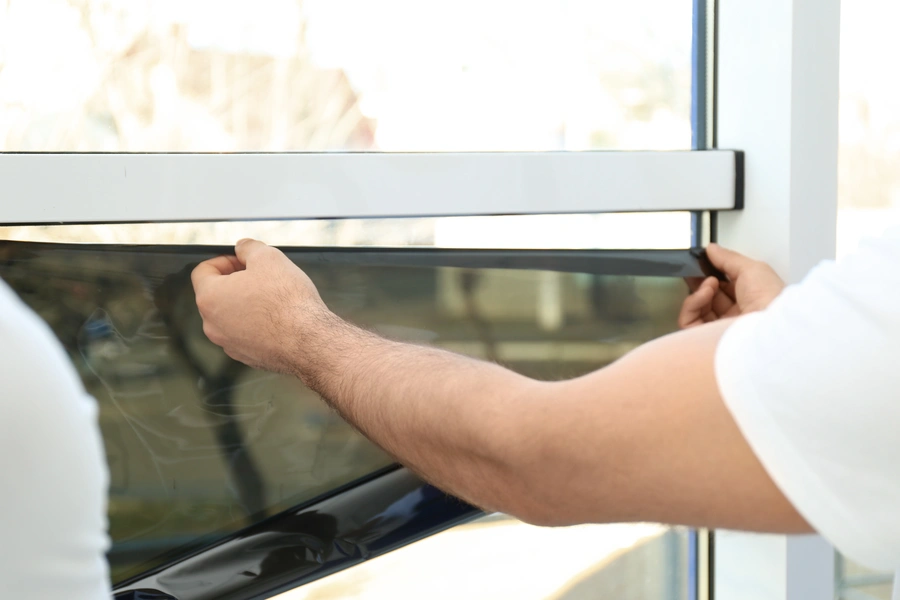
Some homeowners think any film will do the job. That is not always true. Basic store-bought film may help with glare, but it may not give the same level of heat control, UV protection, or long-term performance as a professional-grade product. A poor install can also leave bubbles, gaps, or peeling edges.
A safe fix is adding the right film to windows with heavy sun exposure. A pro-level fix is choosing film based on glass type, sun direction, and the room’s needs. Some films are made to reduce heat. Others focus more on privacy, glare, or added safety. A trained installer can spot risks and help avoid film choices that may not work well on certain glass.
Professional home window tinting also tends to last longer because the film is fitted and applied with the right tools. That means better adhesion, a cleaner look, and more even protection across the whole pane.
Prevention Tips
The best way to help windows last is to lower the stress they face every day. Tint is a smart prevention step because it works all year. It helps during hot summer afternoons, bright spring mornings, and even cooler months when UV rays still reach the glass.
- Add tint to windows with long sun exposure
- Use the right film for the glass type
- Keep windows clean with film-safe products
- Watch for seal problems around old windows
- Act early before fading or stress gets worse
Prevention also helps the items around your windows. Less UV exposure can help protect wood floors, curtains, artwork, and furniture. That makes tint useful for both window durability and indoor comfort.
Final Recommendation
If your windows face strong sun, home window tinting is a practical way to help them last longer. It lowers heat stress, blocks UV rays, and adds a layer that can help hold glass together better after minor impact. It also makes rooms more comfortable and helps protect the things inside your home. For many homeowners, it is a simple upgrade with long-term benefits.
Get Help With the Right Next Step
If you are in Sacramento, CA, I can help you see which windows need the most protection. At Smith Window Washing and Gutter Cleaning, I focus on practical solutions that fit your home and your goals. Call me at (916) 993-6799 if you want help choosing the right film for better comfort and longer-lasting windows.