
A Safer Barrier That Helps Reduce Scratches and Surface Wear
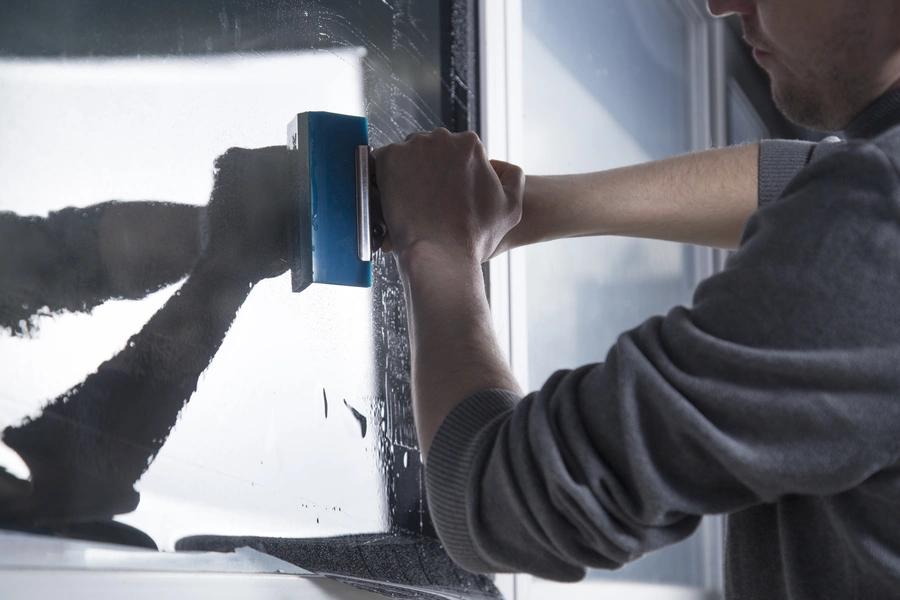
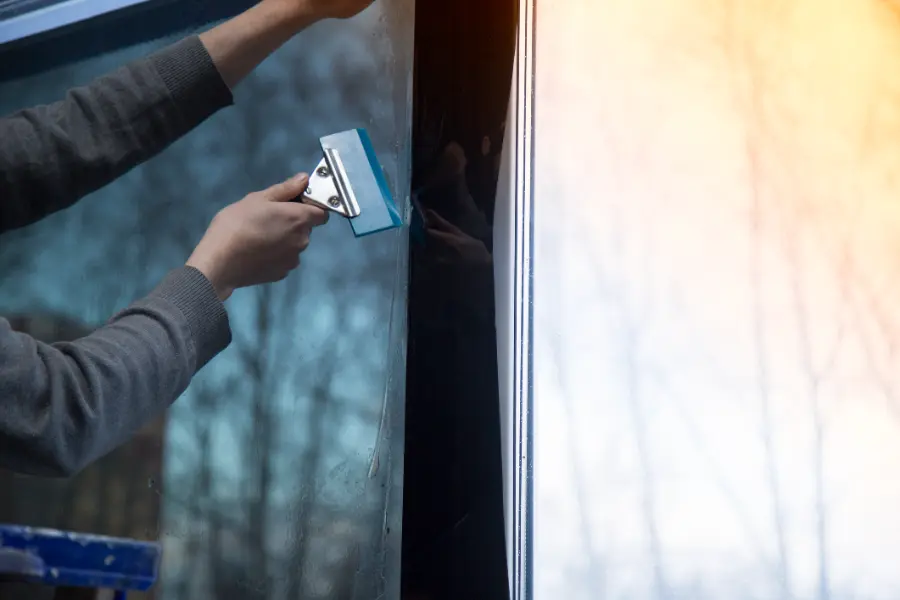
Home window tinting can help protect glass during cleaning by adding a thin film layer over the surface. That layer can take light contact from cloths, dust, and small bits of grit before they reach the glass itself. It can also help lower the chance of fine surface marks when cleaning is done the right way. In homes around Sacramento, CA, this added layer can be helpful on windows that get cleaned often or collect dust and pollen fast.
Why Prevention Matters
cleaning seems simple, but glass can get damaged over time. Tiny specks of dirt can act like sand. A rough paper towel or dirty rag can drag those specks across the surface. That may leave light scratches, haze, or worn spots that are hard to fix later. home window tinting works like a buffer. The film sits on the glass and helps reduce direct contact during normal cleaning.
this does not mean any film makes glass damage-proof. Good care still matters. But a quality film can help lower daily wear on the window surface, especially in busy homes with kids, pets, or large glass doors.
Early Warning Signs
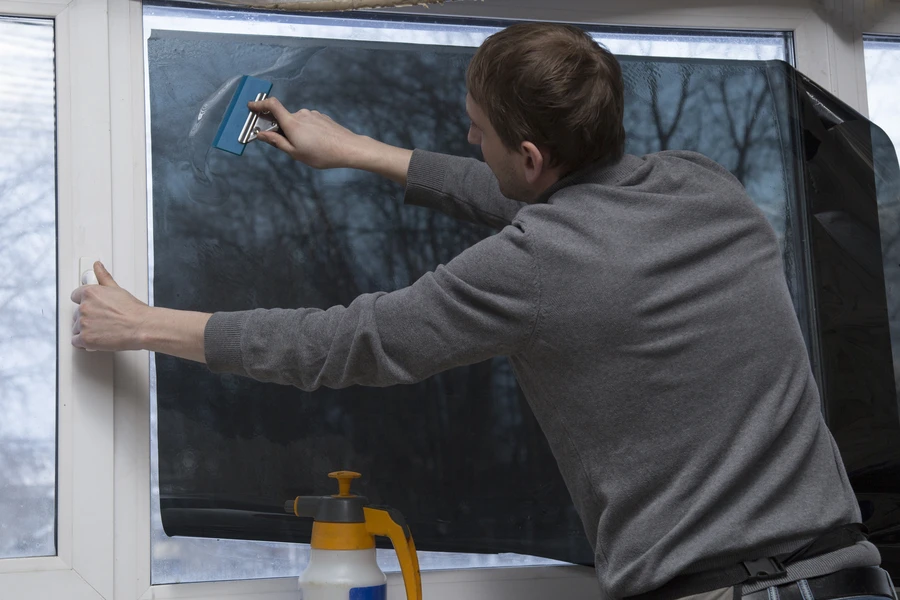
there are a few signs that show a window may need better care during cleaning. Some signs point to past cleaning damage. Others show that the cleaning method is too rough for treated glass.
- fine swirl marks that show in bright sunlight
- small scratches near hand height or along edges
- streaks that do not wipe away easily
- cloudy spots from harsh cleaners
- film edges that start to lift after poor cleaning
if you see these issues, stop using strong products or rough tools right away. A soft cleaning method helps both plain glass and home window tinting last longer.
Seasonal or Routine Checklist
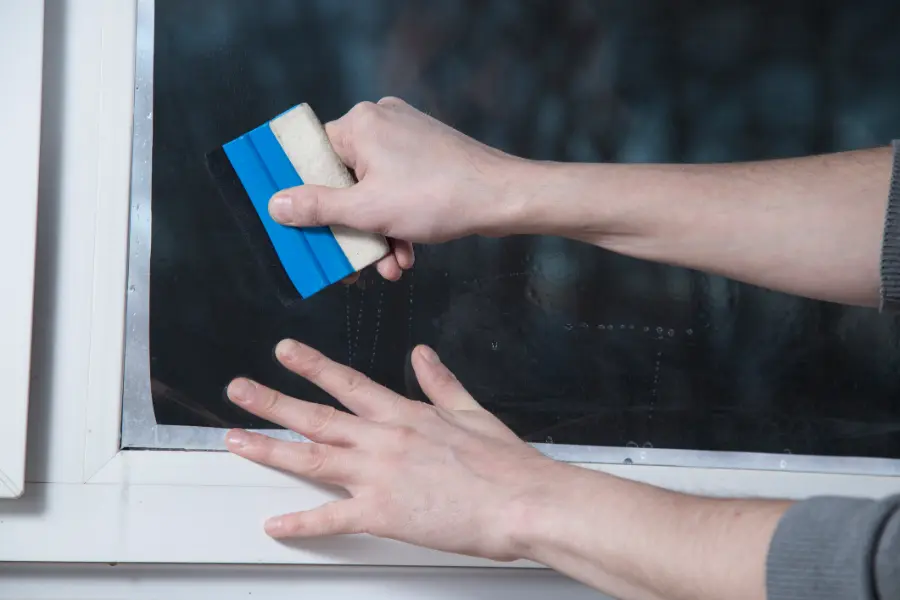
a simple cleaning routine helps protect windows year-round. This is useful for tinted windows, untreated glass, and other service category needs tied to regular home care. Before cleaning, check the surface first. If you wipe dry dirt right away, you may grind grit into the glass or film.
- look at the window in direct light for dust, sand, or stuck debris.
- rinse or lightly mist the surface to loosen dirt first.
- use a soft microfiber cloth or a clean rubber squeegee.
- clean with a mild, film-safe solution.
- wipe gently with straight passes instead of hard circles.
- dry the edges with a clean, soft cloth.
- check for missed spots without scrubbing hard.
this process helps lower friction on the surface. Less friction often means less wear over time. That is one of the main ways home window tinting helps during cleaning. The film gives you a layer that can help absorb light contact before the glass does.
Best Practices for Long-Term Results
the best results come from pairing quality film with good habits. A window film is strong, but it still needs care. The safest method is gentle and consistent. Clean tools matter as much as the cleaner itself. Even a good cloth can cause problems if it has trapped dirt in it.
try to wash windows when the glass is cool. Hot glass can make cleaner dry too fast, which leads to more wiping and more pressure. Keep a separate set of cloths just for windows. Do not use the same rag from counters, floors, or cars. Dirt left in the fabric can mark the surface.
many homeowners also like home window tinting because it can make spots, fingerprints, and smudges easier to notice and clean early. That can cut down on the need for hard scrubbing later. In that way, the film supports better cleaning habits and helps preserve the glass below it.
What Not to Do
some cleaning habits can ruin both the look of the film and the condition of the glass. Avoid tools and products that scrape, dry out, or weaken the surface. This is where many problems start.
- do not use razor blades on tinted glass
- do not scrub with paper towels or abrasive pads
- do not spray strong ammonia-based products on film
- do not clean with dirty cloths or dusty sponges
- do not press hard on corners or film edges
these mistakes can lead to peeling, light scratching, and a worn look. If the window already has damage, rough cleaning can make it worse fast.
When to Schedule Professional Help
some windows need more than a basic wipe-down. If the film is bubbling, peeling, or has deep marks, it is smart to have a professional inspect it. The same goes for windows with hard water stains, heavy buildup, or damage near seals and frames. A pro can tell if the issue is on the glass, in the film, or from past cleaning methods.
professional help is also a good idea after new film installation. Fresh home window tinting often has care rules during the first curing period. Cleaning too soon or using the wrong product can affect how the film bonds to the glass. Getting clear care steps early can help the surface stay clean and protected longer.
Final Recommendation
if you want windows that stay clearer and face less wear during routine care, home window tinting is a smart preventive step. It adds a layer between the glass and daily cleaning contact, which can help lower the risk of light scratches and surface wear. For homes in Sacramento, CA, I can help you figure out the right film and the safest cleaning approach. Contact Smith Window Washing and Gutter Cleaning at (916) 993-6799 to talk with me about your windows and your goals.